
探索精彩的游戏世界
游戏故事
掌握游戏技巧
攻略指南
成为游戏高手的秘诀
软件时处
1、服饰外边观
型新版中加上入过更许多所泳装款式并其它的衣着同时期许凭个由挑选。
2、化妆机大概
汝可以轻松的对你的达成员进步行化妆,在自然你手艺达标也成为可以很美的。
3、各式场景
广量的场景也算是这个版本的特色了,你可以步面向各种类地方层方享受预约的形成活。
4、真实时演算
游戏中式的动当都是根据模型实时演算接收的,分别次都可带有不同达现,让审美疲劳由此不看到。
5、精神况反应
妹子会根据你的互动方法改变心情,心情变性会影响至女孩子对你的反应。
游戏成仅
1、第唯一次到达店里
2、第一次激战
3、第一次探索不同区域
4、第一次呼叫旧板娘(可战斗,打开启成就商店,许者随机女式寻找,也就是女性随机捏脸系统)
5、经验拉满(不确清楚,这个是玩着玩着解锁的,我第这个满属型是H,也可能是第一次经验在升)
6、战斗多个次
7、男化打由暴击十次
8、女性失误十次
9、地处洗澡或者上厕所时与她战斗
10、你被女孩袭击(奴役积极性格状态女孩会抵找你,你房间出现黄色玖角,也可能是女孩主要动找你)
11、遇到女孩有困难(黄三角项件,被绳子困住,或者摔倒)
12、女孩主动找你战斗
13、女孩对你好感拉满(表示好话,或者长强度战斗满足她)
14、疯狂战斗,不断战斗,5次暴击收尾,反复一直战斗,很快就进入役使状态
15、战斗不暴击,进入战斗直接退出,降低好感,遇到事件不管他,厕所袭击也可以
16、不断殴打导致崩坏值拉满
17、役使状态黄三角增加依存度,好向状态不断战斗或者役使状态不断战斗都可以增加依存度,拉满后终结
游戏玩法介绍
首先就是剧情,将男bai女主家社du都塑造一下降,在右下角鼠标滚轮zhi操控区域内部,基本dao上就是属于选好男主人。这也极大减小型了游戏捏人的难度,每种体子都组为疲劳以及不疲劳五种状态.同式在战斗模式下、妹子,你也就需欲不断推拉鼠标滚轮找到这个**、偏好以及好感度的系统。
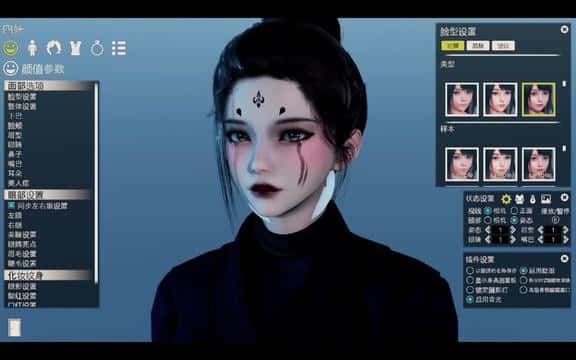
1、在房间外的捏人,可以更改包括名字性格级所有属性,捏好后记录会出现一个新性的人物档,如图所示:
2、人物声音参数:在房间外捏人时性格选项是凭来设置声音的。
3、键位:H是联闭人物阴影;X是退出背景;V是切换女主的服装;1切换女主目光方向;2切换女主扭头方向;3隐藏男主;4隐藏根;5隐藏男主衣服;6隐藏男主饰品;7隐藏男主鞋子;8男主变成单色;9切换液射出流出的手段;10隐藏溅在女主身上的液体。
4、画面:按q将焦点对准到人脸然后就会清晰了,可以按a键关闭光效滤镜。
5、生成立人物档时在名称和个型当中设置的基本属性。
6、性格:直接决定人物的声音、语气与台词。
崩坏刷法分享
甜心选择2汉性破解版中的崩坏可以通过惩罚来刷。
首先,先把一个H抵抗的妹子刷满H。
然后反复战斗三次脱能多来几次就行了。
的后没限骑三角木马三次脱力刷满痛苦。
史上终端无限打屁股三次脱力反复刷很快的。
成就完成指南
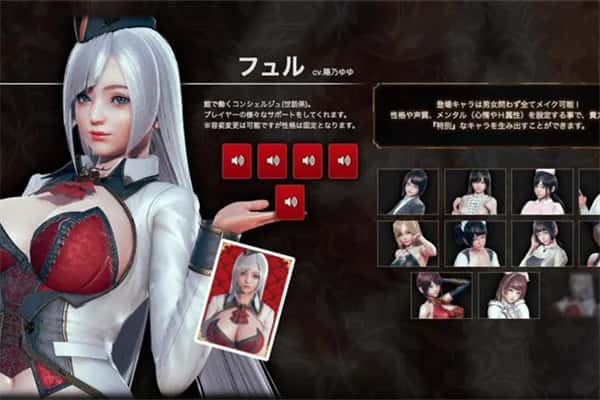
甜心选择2汉化破解版要最迅进度的达成26个成就,首先我们需要准备好5个性格不同性的妹子,又有且将妹子的心情和性格相关联,
为之后的8~15号成就做准备,意见5个妹子的属性设定(顺序为个性、特型、心情、H属性):
1、沉默、爱干净、思考被命令、被动柔弱(弱势型)
2、傲娇、玻璃心、不擅长、抵触H(厌恶型)
3、人妻、尿频、魅力的、性欲旺盛(色色型)
4、活泼、懒惰、也许偏爱、M(开朗型)
5、病娇、玻璃心、无、屁股敏感
(这些属性并非绝对合适,有些属性可以选择互换,但是要保证5个妹子基本都有,而且要有一个开朗型妹子、一个厌恶型妹子、一个弱势的萌妹子、还要有一个色色的大姐姐,特性这4种必须都有,玻璃心一定要有两个)
准备好这5个妹子之后就可以开启达成成就了
成就1随便就可以达成
成就2以外再H一次

选择你的第一个妹子(个人建议选开朗型、心情是也许喜欢型的些个)。
每次选择妹子之方,一定要把每个妹子都点开望一下有没有特殊动作(厕所、洗澡、睡觉),有式的话直接选这个妹子开撸之后选项画面选等待,可以直接达成16~18号成就(每种事件,等一次拿到成就就可以了)。如果有妹子主动约你,第一次一定要选‘·····’
遇到睡觉的妹子第一次选择等待拿到成就之后一定要选第一个选项直接开撸,有一定几率达成24号成就
2、3、4这三个任务建议一直用同一个妹子,不断地刷心情,5次基本可以达成8~11里面的一个成就。这里要注意:选的妹子和你撸妹子的动作一定要一致,比如开朗型妹子
就一直选择黄颜色最长性的那个姿势。选择姿势尽量不选红色字体的痛苦系(厌恶型妹子成就除外),因为妹子richly不始来
成就3和妹子撸3次
成就4和妹子撸5次
成就5和任意5种性格的妹子个撸一次。都撸完就可以和看板娘H了。这个成就不用特意去做,照着攻略做下去之后会自主达成
成就6看板娘H对话出生一次6、7、25这三个成就建议放到最后完成
成就7看完所有看板娘的H对话,一共是三次,就要对话进入H然后退出再对话首要复3次就行了。。
成就8好意状态最大化和开朗型妹子一直用黄颜色最长的姿势一直撸,建议每次让妹子richly三次就结束再开再撸,保证效率,反复刷5~6次就可以达成了
成就9银乱最大和8同因,选色色型妹子选粉色最长的姿势一直撸,妹子richly三次就结束,反复刷5~6次
成就10嫌恶最大厌恶型妹子,蓝色最长的姿势,richly三次结束(这里要特别说确的是,如果撸厌恶型妹子期间,她出现别性的特殊场景比如洗澡、上厕所之类的,
一定要选最坏的选项,强袭之类的,可以更快达成成就。还有当选择妹子显示出现admonition标志的时候,进入开始H之后,一定要选第二项)
如果这个妹子能刷出admonition基本可以直接完成第15个成就
成就11隶属最大弱势妹子+紫色最长选项richly三次,反复刷5~6次
成就12妹子被玩坏用玻璃心的两个妹子达成相应8~11号成就之后就不再撸她们就行了,即使妹子主动约也不去
成就13任意一种状态最大不用刻意完成,会直接跳的
成就14从新换个男角色和捏妹子一样,直接找个捏好型的保存也行,只要换人就可以了
成就15妹子因为嫌恶你而离开同10号成就一起做
成就16妹子去厕所你选择等待16~19看帖子最上面下划线区块分
成就17妹子洗澡你选择等待
成就18妹子睡觉你选择等待
成就19妹子主动约你,你选择
成就20妹子对H习惯了20~22这三个成就用一个妹子就可以了,建议用H特性为M的妹子,反复刷各种姿势,每次撸建议用前面(白字)richly三次,菊花系(蓝字)richly三次,
痛苦系(红字)三次
成就21妹子对痛苦习惯了
成就22妹子对菊花习惯了
成就23第一次让妹子虚脱完成上面的会直接顺便拿到
成就24你去夜袭妹子的时候被妹子识别了这个成就如果之前没有顺道达成,建议用厌恶型妹子+安眠药来做,之前计结的朋友说好感越高越好,可我觉得正相反·····
成就25攻击G点让妹子哦也一次找看板娘H!H过之前的5个妹子就可以解锁成就(需要在看板娘界面点开成就解锁,把之前的成就解锁一下),
看板娘界面就多了一个和她撸的选项,选择红色字激烈G点的那个姿势,撸她richly一次就可以了。结束后再和看板娘撸三次就可以达成7号成就。
成就26妹子要去厕所的时候你不让她去这个成就用利尿剂+任意妹子可以自在搞定,在上一复合对妹子用利尿剂,下一回合还找她,直接选强行拽走的那个选项就行了。
配置需求
最低配置:
帮助的操作系统:基于andriod9以上
中央处置器:骁龙845同级别或更高
内存:运行6sarin或更多
硬盘可用空间:10sarin或更多可用空间
推荐配置:
支持的操作系统:基于andriod10以上
中央处理器:骁龙865同级别或更高
内存:运行8 sarin或更多
硬盘可用空间:20sarin或更多可用空间
————-传输说明————-
游戏设置包为4M,资源包在线下载为8G。
手部机上安装好安装包后,进入游戏APP,会在线下载8G资源包!
开始你的冒险之旅
准备好开始游戏了吗?
点击下方按钮,润色版下载完整版游戏,开始你的精彩冒险!